Compare wood, vinyl, and aluminum fencing to find a durable, attractive option for your Glendale property and Wisconsin's changing weather.
Choosing a fence for your home involves more than picking a style you like. The material affects how much maintenance your fence needs, how well it handles outdoor conditions, how much privacy it provides, and how it looks alongside your home.
For homeowners in Glendale, Wisconsin, seasonal changes make material selection especially important. Snow, moisture, freezing temperatures, and summer sunlight can all affect a fence over time. Wood, vinyl, and aluminum each offer different advantages, so understanding their differences can help you make a more confident decision.
Wood Fencing: Classic Appearance and Flexible Design
Wood remains a popular option for homeowners who want a traditional look or a fence that can be customized to fit their yard.
Benefits of Wood Fencing
Wood fencing offers several advantages:
- Natural appearance: Wood complements many home styles and landscaping designs.
- Privacy options: Solid board fences can create a more secluded backyard.
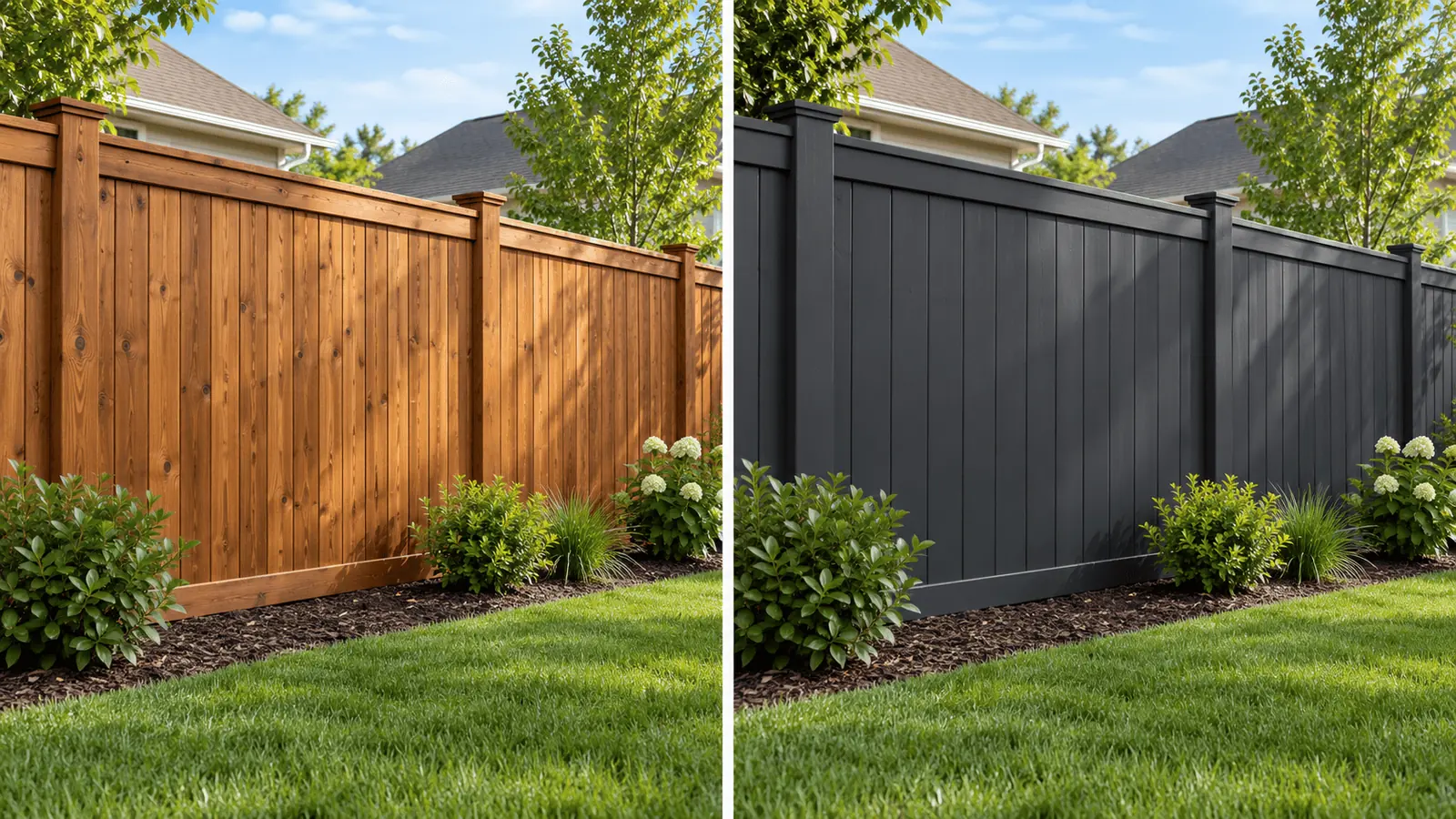
- Design flexibility: Different board patterns, heights, and finishes allow for customization.
- Repair options: Individual boards can often be replaced without rebuilding the entire fence.
Wood can be a practical choice when privacy and appearance are priorities. It also allows homeowners to choose a finish that suits their property.
How Wood Handles Wisconsin Weather
Moisture and repeated freeze-thaw cycles can contribute to wood deterioration over time. Boards may warp, crack, or rot, particularly when water collects around vulnerable areas or the fence is not maintained.
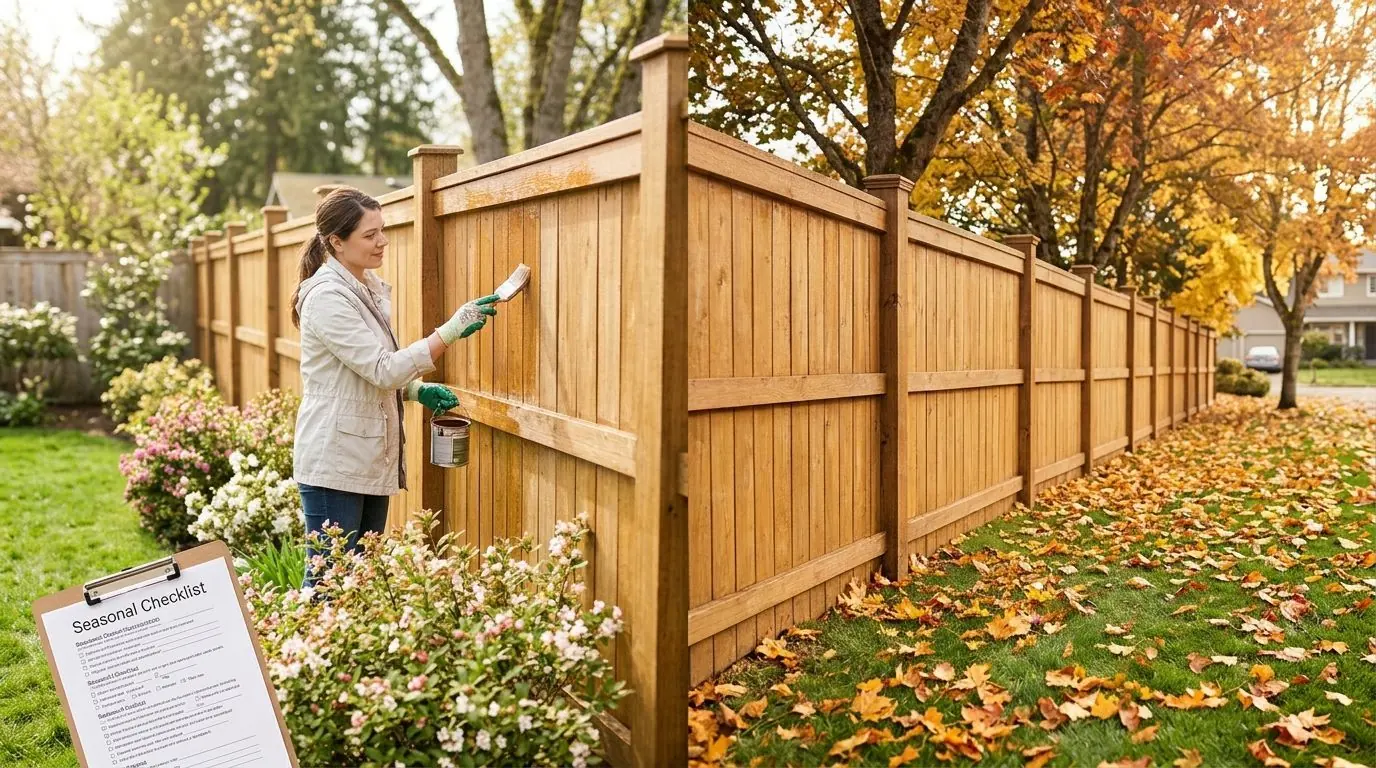
Regular inspections and appropriate staining or sealing can help protect the wood. Keeping vegetation trimmed and addressing damaged boards early can also extend the fence's useful life.
Wood may suit homeowners who appreciate its appearance and are comfortable with periodic maintenance.
Vinyl Fencing: A Low-Maintenance Alternative
Vinyl fencing is often chosen by homeowners who want a clean, consistent appearance without the regular staining or painting associated with many wood fences.
Benefits of Vinyl Fencing
Vinyl fencing offers several useful features:
- Low routine maintenance: Cleaning is generally enough to remove ordinary dirt and outdoor buildup.
- Consistent appearance: Available colors and styles can complement different properties.
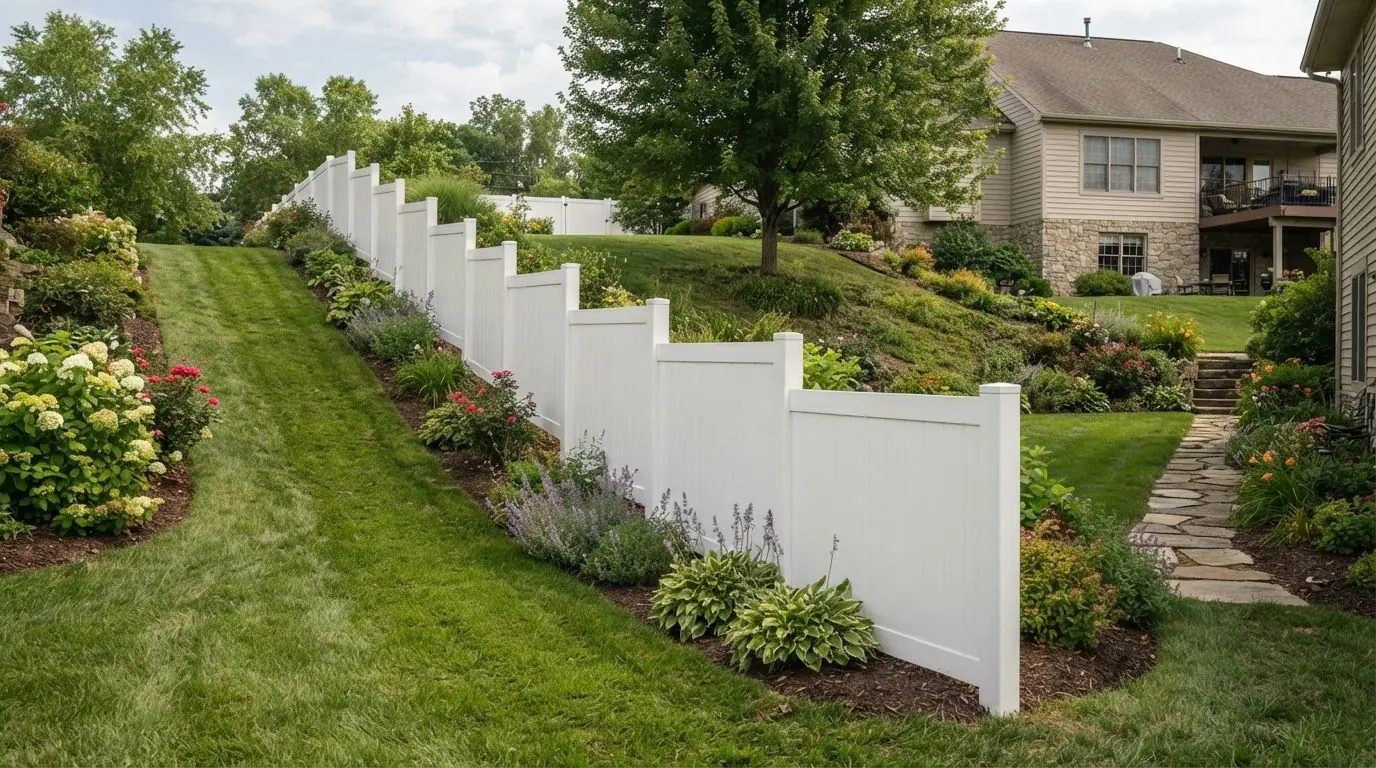
- Privacy designs: Solid vinyl panels can help create a private outdoor area.
- No routine painting or staining: The material does not require the same finish maintenance as wood.
These benefits make vinyl attractive to homeowners who want to spend less time maintaining their fence.
How Vinyl Handles Wisconsin Weather
Quality vinyl fencing is designed for outdoor use, but cold temperatures can make some products more vulnerable to impact damage. Extreme heat and cold can also cause expansion and contraction.
Product quality, installation methods, post support, and manufacturer specifications all matter. Ask whether the selected fence is suitable for the local climate and what care the manufacturer recommends.
Vinyl can be a good choice for homeowners who prioritize low maintenance, provided they select a suitable product and have it installed correctly.
Aluminum Fencing: An Open and Decorative Look
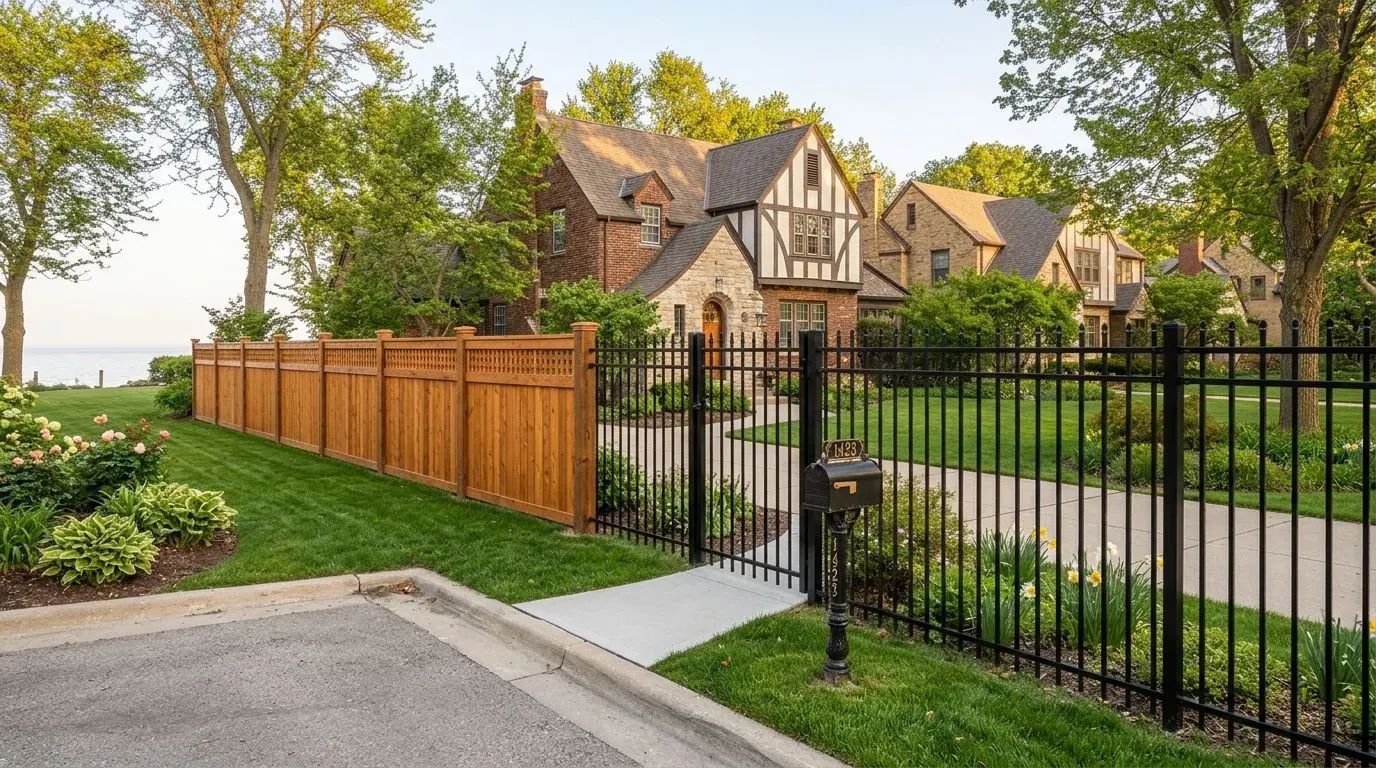
Aluminum fencing offers a different appearance from solid wood or vinyl panels. Its open design can define a property without completely blocking views of the yard or landscaping.
Benefits of Aluminum Fencing
Homeowners often choose aluminum for its:
- Decorative appearance: Its clean lines can complement traditional and contemporary homes.
- Resistance to rust: Aluminum naturally resists rust better than ordinary steel.
- Low maintenance: It generally does not require routine staining or sealing.
- Visibility: Open picket designs preserve views while marking boundaries.
Aluminum can work particularly well around landscaped areas where homeowners want a defined boundary without creating a solid visual barrier.
How Aluminum Handles Wisconsin Weather
Aluminum generally performs well outdoors because it does not rust like untreated steel. However, its finish can still become damaged, and impact can bend or dent sections.
It also offers less privacy than a solid-panel fence unless combined with other screening features. Before choosing aluminum, consider whether its open design fits your needs and whether the fence system is designed for the intended location.
Which Material Provides the Most Privacy?
If backyard privacy is your main goal, wood and vinyl usually offer more direct options than standard aluminum fencing.
A solid wood fence can provide a natural appearance and flexible design. Vinyl privacy panels offer a consistent look with less routine maintenance.
Aluminum is generally better suited to decorative boundaries, pool enclosures where permitted, and areas where visibility is desirable. Local safety requirements should always be checked when fencing a pool or other restricted area.
Think about how much of your yard you want to screen from neighboring properties and streets before deciding on a material.
Compare Long-Term Maintenance
The initial installation cost is only one part of choosing a fence. You should also consider the time and money required to keep it in good condition.
Wood: Typically needs more ongoing attention, including inspections and periodic staining, sealing, or painting depending on the product and exposure.
Vinyl: Usually requires occasional cleaning and inspection, with damaged panels or components repaired when necessary.
Aluminum: Generally requires limited routine maintenance, although fasteners, connections, and the finish should still be checked periodically.
Your preferred maintenance level can help narrow the options. A lower-maintenance fence may be worth considering if you want to minimize recurring upkeep, while wood may appeal to you if its natural appearance is a priority.
Consider Cost Beyond the Materials
Fence pricing depends on more than the material itself. The length and height of the fence, terrain, number of gates, site preparation, removal of an existing fence, and installation complexity can all affect the final estimate.
Wood may offer an economical starting point depending on the design. Vinyl and aluminum can have higher upfront costs for some products, but their maintenance requirements differ from wood.
Rather than comparing material prices alone, request estimates based on the same approximate fence length, height, layout, and gate requirements. This gives you a more useful comparison of the complete project.
Check Glendale's Fence Requirements Before Installation
Before selecting a final design, make sure it meets the City of Glendale's current fence rules.
The city's published guidance generally allows residential fences up to six feet in side and rear yards, while front-yard fencing is restricted to decorative or split-rail styles. Permit requirements depend on fence height and location, and some subdivisions have additional height restrictions. The city also prohibits chain-link fencing on residential properties under its current guidance. Review the official requirements before purchasing materials or starting construction. City of Glendale Fence Permit & Guidance Info (opens in a new tab).
Checking the applicable requirements early can help prevent changes to your fence design after planning or installation has begun.
So, Which Fence Material Is Best for Your Glendale Home?
There is no single material that works best for every property.
Choose wood if you value a traditional appearance, customizable designs, and strong privacy options, and you are prepared for periodic maintenance.
Choose vinyl if you want a clean, consistent appearance and less routine upkeep, particularly for a private backyard.
Choose aluminum if you prefer decorative fencing, open views, and a material that generally requires little maintenance.
The best option depends on your budget, property layout, privacy needs, desired appearance, and willingness to maintain the fence over time. Comparing the materials alongside your property's specific requirements can help you choose a fence that makes sense for the long term.
Looking for the Right Fence in Glendale, WI?
Choosing the right fence can improve your home's privacy, curb appeal, and outdoor functionality. If you're planning a fencing project in Glendale, Glendale Fence can help you explore options based on your property and priorities.
Whether you're considering wood fencing, vinyl fencing, aluminum fencing, privacy fences, decorative fences, fence installation, repairs, replacements, or custom fencing, start by identifying what matters most for your yard.
Ready to plan your new fence? Contact Glendale Fence today to discuss your project and request a local estimate. Comparing materials and installation options before making a decision can help you find a fence that fits your home, budget, and long-term needs.